
 Image 1 of 4
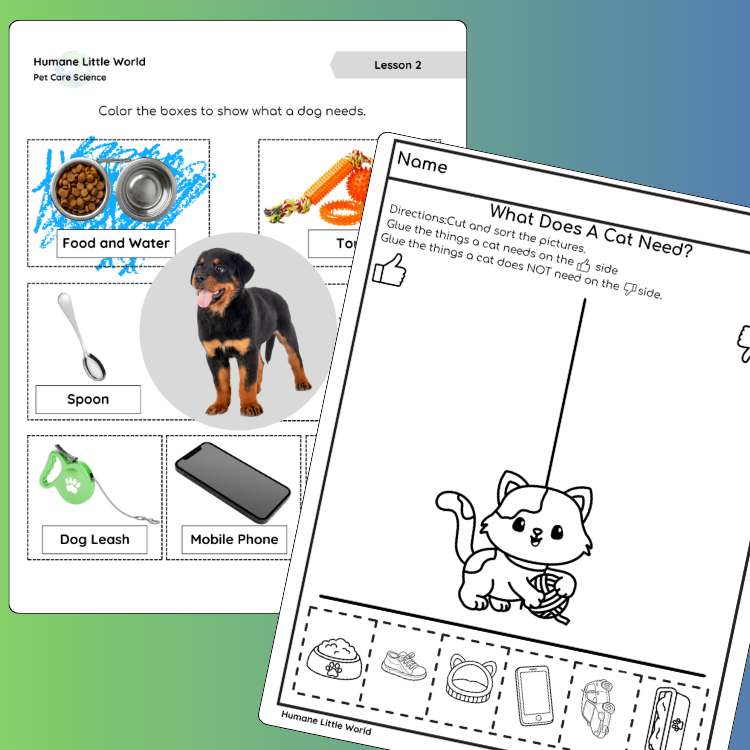 Image 2 of 4
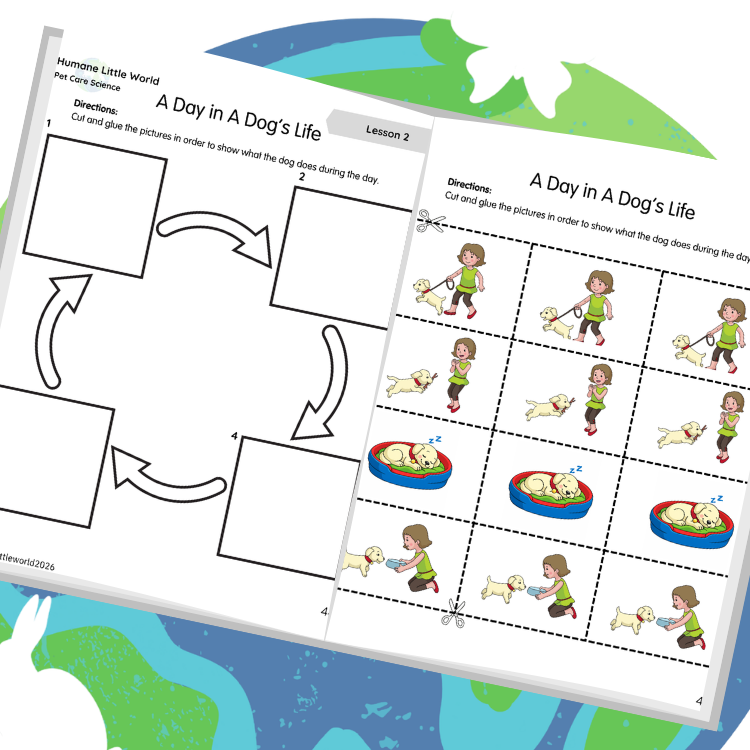 Image 3 of 4
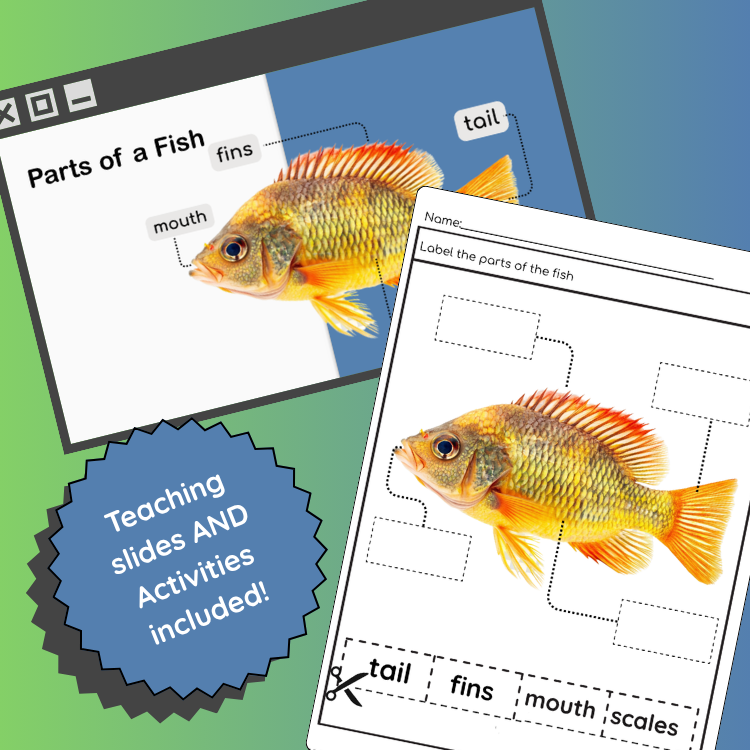 Image 4 of 4
Introduce young learners to the basics of animal care with Pet Care Science, a K–1 life science unit designed to build understanding of animal needs, responsibility, and observation skills through simple, structured lessons.
This engaging unit includes four short science lessons focused on common pets: Pets, Dogs, Cats, and Goldfish.
Each lesson follows a consistent and easy-to-teach format:
Engage → Teach → Explore → Apply → Reflect, helping students build confidence through routine while deepening their understanding of how to care for animals.
🐶 Unit Topics Include:
What are pets?
Caring for dogs
Caring for cats
Caring for goldfish
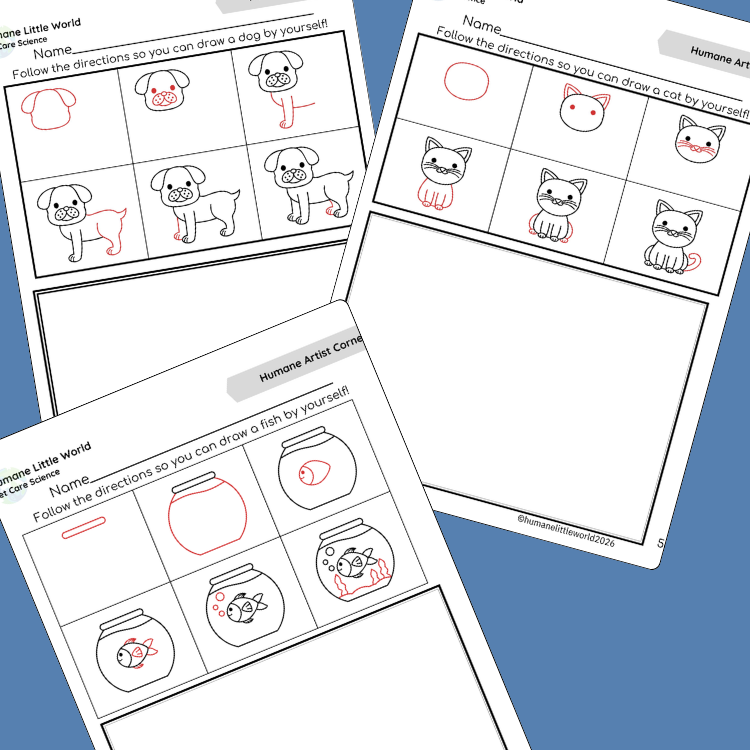
Through photographs, guided discussion, and hands-on activities, students explore what animals need to live healthy, safe, and happy lives. Activities include sorting, sequencing, drawing, and reflection—making learning interactive and developmentally appropriate.
✨ What’s Included:
Instructional presentation slides for each lesson
Teacher lesson guides with structured flow
Student worksheets and activities
Extension drawing activities
Reflection and simple assessment pages
Lessons can be taught sequentially as a mini-unit or used individually within a broader life science curriculum.
🧠 Skills & Concepts Supported:
Basic needs of animals
Responsibility and care
Observation and classification
Sequencing and early logic skills
Speaking and listening
Fine motor development
Early scientific thinking
🎒 Perfect For:
Life science units
Animal studies
SEL connections to empathy and care
Centers, small groups, or whole-class instruction
Sub plans or structured mini-lessons
Homeschool and classroom settings
Created by Humane Little World, this resource helps students build a foundation of compassion and responsibility while learning how to care for animals in meaningful, age-appropriate ways.
🐾 Teach care. Build responsibility. Grow empathy.
Introduce young learners to the basics of animal care with Pet Care Science, a K–1 life science unit designed to build understanding of animal needs, responsibility, and observation skills through simple, structured lessons.
This engaging unit includes four short science lessons focused on common pets: Pets, Dogs, Cats, and Goldfish.
Each lesson follows a consistent and easy-to-teach format:
Engage → Teach → Explore → Apply → Reflect, helping students build confidence through routine while deepening their understanding of how to care for animals.
🐶 Unit Topics Include:
What are pets?
Caring for dogs
Caring for cats
Caring for goldfish
Through photographs, guided discussion, and hands-on activities, students explore what animals need to live healthy, safe, and happy lives. Activities include sorting, sequencing, drawing, and reflection—making learning interactive and developmentally appropriate.
✨ What’s Included:
Instructional presentation slides for each lesson
Teacher lesson guides with structured flow
Student worksheets and activities
Extension drawing activities
Reflection and simple assessment pages
Lessons can be taught sequentially as a mini-unit or used individually within a broader life science curriculum.
🧠 Skills & Concepts Supported:
Basic needs of animals
Responsibility and care
Observation and classification
Sequencing and early logic skills
Speaking and listening
Fine motor development
Early scientific thinking
🎒 Perfect For:
Life science units
Animal studies
SEL connections to empathy and care
Centers, small groups, or whole-class instruction
Sub plans or structured mini-lessons
Homeschool and classroom settings
Created by Humane Little World, this resource helps students build a foundation of compassion and responsibility while learning how to care for animals in meaningful, age-appropriate ways.
🐾 Teach care. Build responsibility. Grow empathy.